
Lady Hydari Park
"Historic central park and mini-zoo"
The gentle rustle of weeping willow branches dipping into quiet ornamental ponds greets visitors as they step into this manicured green oasis. Strolling along the neat paved pathways, you are surrounded by neatly trimmed lawns, stone bridges arching over small streams, and vibrant geometric flower beds filled with seasonal rhododendrons, roses, and orchids. Phan Nonglait Park, originally and still widely known to locals as Lady Hydari Park, is a historic public park and mini-zoo located in Lachumiere, Shillong, East Khasi Hills District, Meghalaya, at 1,496 meters above sea level. Officially renamed in 2023 to honor the legendary Khasi freedom fighter Ka Phan Nonglait, the park is Shillong's only central green reserve that combines Japanese-style landscaping, a botanical sanctuary, a children's play park, and a rescue zoo in a single space.
Colonial Origins and Indigenous Reclamation
Established during the British administration, the park was originally named to honor Lady Hydari, the wife of Sir Muhammad Saleh Akbar Hydari, the last British-appointed Governor of Assam. The park's layout reflects the Japanese garden style that was highly popular among British officials in the early 20th century, utilizing natural water flows to feed a series of interconnected ponds. In 2023, the Government of Meghalaya officially renamed the site to Phan Nonglait Park, celebrating the indigenous Khasi heroine who played a pivotal role in assisting U Tirot Sing's resistance against British forces in the 1830s. This renaming marks a significant cultural reclamation, transforming a symbol of colonial administration into a monument to local heritage.
The Botanical Sanctuary and Mini-Zoo
The park functions as a key civic green lung, housing a rich variety of native montane flora. Towering conifers and ancient pine trees stand alongside weeping willows (Salix babylonica) that drape over the pond edges. In the spring, the park bursts into color with blooming rhododendrons and orchids native to the Khasi Hills.
The mini-zoo inside the park is a small wildlife rescue and rehabilitation center managed by the state forest department. It serves as a sanctuary for regional fauna, including Himalayan black bears (Ursus thibetanus), Indian leopards, jackals, porcupines, and several species of deer such as the rare serow. The aviary section houses colorful hornbills and local kites, while the ponds are home to domestic swans, pelicans, and large schools of common carp. A small on-site museum displays biological specimens, including old elephant skulls and photos of Meghalaya's diverse forest ecology.
What NOT to Expect
Do not expect a massive national park or a modern, high-tech zoo with expansive open enclosures. The mini-zoo is older and features traditional caged enclosures, which can feel small to some visitors. Do not expect total silence; being located in central Shillong, the park is highly popular with local families and school groups, particularly on weekends. The children's play area can get very noisy. Boating is not available here; the ponds are reserved for waterfowl and fish.
Seasonal Breakdown
- October to February (Autumn & Winter): The ideal time to visit. The air is cool and crisp, with daytime temperatures averaging 15°C. The summer monsoons have washed the foliage clean, and the paths are dry and perfect for walks.
- March to May (Spring): The park's botanical gardens are at their most beautiful. Rhododendrons, roses, and local orchids are in full bloom, painting the geometric flowerbeds in vivid pinks and reds.
- June to September (Monsoon): The rain is frequent and heavy, which can make the stone paths slippery. However, the willow canopy is lush and dripping green, and mist frequently rolls through the trees, making it very scenic for visitors carrying umbrellas.
Photography Spots
- The Japanese Stone Bridge: Capture the classic Japanese garden design by photographing the arched stone bridge framed by weeping willow branches over the main pond.
- The Pine Walkway: The central pathway lined with tall Khasi pine trees offers a beautiful forest-like perspective in the middle of the city.
- The Orchid Conservatory: If open, this area offers macro-photography opportunities of delicate local orchid species.
Insider Tips
- Visit between 8:00 AM and 9:30 AM: The early morning hours are quiet, the animals are most active, and you can enjoy the misty lawns before the crowds arrive.
- Look for the Butterfly Museum: A small butterfly museum is located near the rear of the park, housing a fascinating collection of preserved regional butterflies.
- Bring exact change for tickets: Entry is incredibly cheap (₹10 for adults, ₹5 for children), so carrying small change makes entry much faster.
- Spot the Hornbills: The aviary houses impressive Great Indian Hornbills; listen for their deep, resonant calls in the morning.
- Combine with State Central Library: The park is located near the State Central Library and All Saints Cathedral, allowing you to combine these historic sites into a single walking tour.
- Wear layers: Shillong's weather can change quickly; a light windbreaker or jacket is recommended as the tree canopy keeps the park shaded and cool.
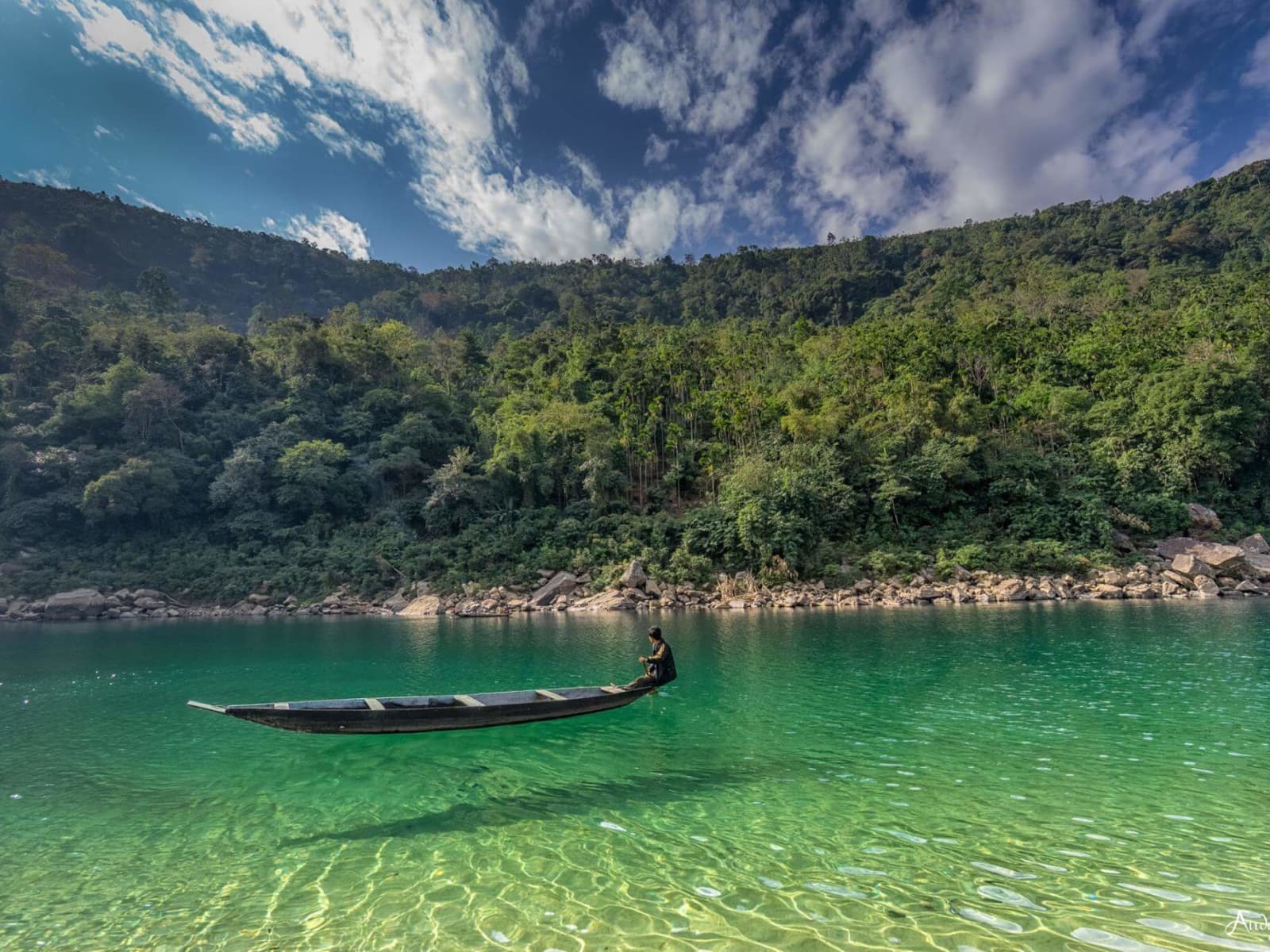
7-Day Meghalaya Tour Package: Shillong, Cherrapunji, Dawki & Mawphlang
Highlands, Living Root Bridges & Clear Waters
Visitor & Booking Protocol
Permit & Entry Check
No special state permit required for Indian citizens. Keep government photo ID ready at entrance.
Tickets & Cash Protocol
Entry desk is managed on-site. Carry small cash denominations (₹20, ₹50, ₹100) for entry and parking.
Certified Guide Desk
Authorized village community guides can be hired at the entry registration desk. Certified guide rates range between ₹800–₹1,500 depending on circuit and trail duration.
Timing & Departure Cutoff
Arrive during early morning hours (08:00–10:30 AM). Mountain trails, caves, and viewpoints generally stop inbound entry by 15:30 to ensure safe return before mountain dark.
Safety & Rules
- • Do not feed or tease the animals: The zoo animals are on strict diets; tossing food into cages is strictly illegal and harmful to their health.
- • Observe park timings: The park is open from 8:00 AM to 5:00 PM and remains closed all day on Mondays.
- • No littering allowed: Phan Nonglait Park is a plastic-free zone; carry your trash out or use designated bins.
- • Stay on the paved pathways: Walking on the manicured lawns or jumping over stone barriers is prohibited to protect the turf.
- • No flash photography inside the museum: Turn off your camera flash inside the biological museum to protect the exhibits.
- • Supervise children in the play area: Ensure children use the slides and swings safely, as the play area gets crowded.
- • Do not throw objects into the ponds: Keep the water clean for the resident swans, pelicans, and fish.
- • Keep noise levels moderate: The zoo animals are sensitive to loud noises; avoid shouting near the enclosures.
- • No commercial filming without permission: Professional photography and video shoots require a prior permit and additional fees at the counter.
Frequently Asked Questions
Best Time to Visit
Best time of day: Morning
Visitor Specs
Altitude & Terrain
4,908 ft
7-Day Meghalaya Tour Package: Shillong, Cherrapunji, Dawki & Mawphlang
Highlands, Living Root Bridges & Clear Waters
Location
Lng: 91.884000
Plan Your Trip to Shillong with Nezo
Combine Lady Hydari Park with living tribal heritage, scenic mountain vistas, and handpicked local stays on a private guided journey.