
Catholic Cathedral Kohima
"Seat of the Diocese of Kohima and home to Asia’s largest carved wooden crucifix."
Mary Help of Christians Cathedral (Kohima Catholic Cathedral) is a major Catholic cathedral located on Aradurah Hill in Kohima, Kohima District, Nagaland, at an elevation of 1,440 meters. The seat of the Roman Catholic Diocese of Kohima, it is famed for its architecture integrating traditional Naga stilt house design and houses a 16-foot carved wooden crucifix—one of the largest in Asia.
Sweeping Arches Over the Kohima Ridge
Ascending the quiet access road of Aradurah Hill, the monumental crescent shape of the Kohima Catholic Cathedral comes into view against the backdrop of pine-covered Naga Hills. Fresh mountain winds brush through the surrounding courtyard trees, and the faint chime of church bells resonates across the valley. Stepping through the wide arched entryway, visitors enter a vast high-ceilinged nave where natural sunlight cascades softly through clerestory windows, illuminating polished wooden pews and the imposing wooden crucifix at the central sanctuary.
History & Reconciliation: The WWII Peace Memorial (1986–1991)
The cathedral stands as a profound symbol of spiritual healing and wartime reconciliation. Construction began in 1986 under the leadership of Bishop Abraham Alangimattathil, and the cathedral was formally consecrated in 1991. Situated near the battlegrounds of the 1944 Battle of Kohima, a significant portion of the construction funds was donated by Japanese World War II veterans and their families as a solemn gesture of peace, repentance, and remembrance for soldiers killed on both sides of the conflict.
The cathedral grounds regularly host ecumenical peace gatherings and historical commemorations. In 1995, a historic reconciliation service took place here where surviving British and Japanese veterans embraced in shared prayer. Rated 4.7/5 on Google Maps with over 1,200 reviews, it stands alongside the Kohima War Cemetery as an essential pilgrimage site of WWII historical memory in Northeast India.
Architecture & Cultural Harmony: Traditional Naga Design Meets Gothic Scale
Designed to reflect local cultural heritage while accommodating over 3,000 worshippers, the cathedral is celebrated for its harmonious integration of indigenous Naga design with modern cathedral engineering:
- The Morung Roofline: The towering, semi-circular roof imitates the sloping gables of a traditional Angami Naga morung (communal youth dormitory).
- Indigenous Wooden Pillars: The massive structural supports are wrapped in carved local timber motifs, honoring Naga tribal craftsmanship.
- Natural Ventilation & Acoustics: The open curved layout allows mountain breezes to cool the interior during summer while providing exceptional acoustic resonance for choral worship.
The 16-Foot Wooden Crucifix & Sacred Sanctuary
At the heart of the cathedral's inner sanctuary stands its most famous spiritual feature:
- The Monumental Wooden Crucifix: Standing 16 feet (4.8 meters) tall, the central crucifix was hand-carved from a single solid trunk of local teak wood by skilled local artisans.
- The Bishop's Cathedra: The carved wooden throne of the Bishop of Kohima anchors the sanctuary floor.
- The Crypt of Bishop Abraham: Located beneath the sanctuary lies the quiet burial vault of Bishop Abraham Alangimattathil, the founding bishop of the diocese.
Cultural Etiquette & Visitor Conduct
As an active house of worship and seat of the diocese, visitors are asked to observe respectful decorum:
- Silent Sanctuary: Turn off mobile ringers and maintain quiet voices inside the nave.
- Modest Attire: Ensure shoulders and knees are covered when entering the main sanctuary.
- Mass Service Restrictions: Tourists are welcome to attend Sunday services (06:00 AM, 08:30 AM, 11:00 AM), but photography and walking around the nave are strictly prohibited during active liturgy.
When Is the Best Time to Visit Kohima Cathedral?
- Autumn & Winter (October to March): Clear, sunny days with temperatures ranging between 8°C and 20°C. Ideal for photographing the cathedral facade against blue skies.
- Christmas & Advent (December): The cathedral grounds are illuminated with festive lights, crib displays, and choral carols, drawing visitors from across the state.
- Monsoon (June to September): Cloud mist frequently rolls over Aradurah Hill, shrouding the cathedral roofline in atmospheric fog.
Getting There & Visitor Logistics
Located on Aradurah Hill in New Minister Hill ward, the cathedral is easily accessible from central Kohima:
- Local Access: Located 3.5 km (10-minute drive) south of Kohima main town center and Police Point via local taxi.
- From Dimapur Hub: Situated 77 km from Dimapur Airport (DMU) and Railway Station (DMR), accessible in 2.5 to 3 hours via NH-29.
- Itinerary Integration: Often paired with visits to the Naga Heritage Village (8 km south) and Kohima War Cemetery (3 km north) on a comprehensive Kohima destination guide.
Insider Tips
- Marvel at the Naga-Gothic architecture: Take time to admire the roofline from the entrance courtyard, designed after traditional Angami Naga morung stilt structures.
- Examine the 16-foot wooden crucifix: Located behind the main altar, this massive crucifix was hand-carved from a single tree trunk.
- Visit the Peace Memorial plaque: Read the dedication plaque funded in part by Japanese World War II veterans seeking reconciliation.
- Enjoy the Aradurah Hill vista: Step onto the exterior terrace for a clear view overlooking Kohima town and surrounding green valleys.

7-Day Nagaland Tour Package from Dimapur: Kohima, Dzukou Valley & Khonoma
Battlegrounds of Garrison Hill, Emerald Dzukou & Echoes of Naga Warriors
Visitor & Booking Protocol
Permit & Entry Check
State permit / ILP verification required at highway checkpost before arrival.
Tickets & Cash Protocol
Entry desk is managed on-site. Carry small cash denominations (₹20, ₹50, ₹100) for entry and parking.
Certified Guide Desk
Authorized village community guides can be hired at the entry registration desk. Certified guide rates range between ₹800–₹1,500 depending on circuit and trail duration.
Timing & Departure Cutoff
Arrive during early morning hours (08:00–10:30 AM). Mountain trails, caves, and viewpoints generally stop inbound entry by 15:30 to ensure safe return before mountain dark.
Safety & Rules
- • Remove footwear or walk quietly: Maintain hushed silence inside the main nave, especially during prayer times.
- • No photography during Holy Mass: Photography of the altar and interior is permitted outside service hours, but strictly forbidden during scheduled masses.
- • Dress modestly: Ensure shoulders and knees are covered when entering the sacred nave.
Frequently Asked Questions
More Places to Visit in Kohima
Handpicked stops our drivers pass every week.

Dzukou Valley
An emerald high-altitude sanctuary of rolling dwarf-bamboo hills, cold serpentine streams, and the endemic Dzukou Lily.
2452m ASL

Kisama Heritage Village
Window to Nagaland
1450m ASL
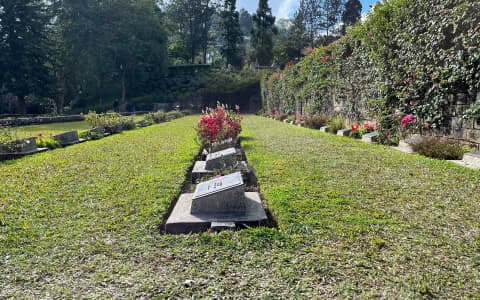
Kohima War Cemetery
When you go home, tell them of us and say, for your tomorrow, we gave our today.
1444m ASL
-
Mawsmai Cave
Limestone Wonders
1250m ASL

Nagaland State Museum
Treasury of 16 Naga Tribes & Ancient Headhunting Heritage
1440m ASL
-
Umngot River
Crystal Clear Waters
Best Time to Visit
Best time of day: Morning or Late Afternoon
Visitor Specs
Open daily for visitors. Sunday Mass services conducted at 06:00 AM, 08:30 AM, and 11:00 AM.
How to Reach
Altitude & Terrain
Aradurah Hill (1,440m / 4,724ft)
7-Day Nagaland Tour Package from Dimapur: Kohima, Dzukou Valley & Khonoma
Battlegrounds of Garrison Hill, Emerald Dzukou & Echoes of Naga Warriors
Location
Lng: 94.108500
Plan Your Trip to Kohima with Nezo
Combine Catholic Cathedral Kohima with living tribal heritage, scenic mountain vistas, and handpicked local stays on a private guided journey.